Preclinical Oncology Models for Translational Research
Xenograft.org provides a centralized resource for industry and academic teams seeking rigorously validated in vivo cancer models. Our platform consolidates Cell-Line–Derived Xenograft (CDX) models, Patient-Derived Xenograft (PDX) models, syngeneic mouse models, and humanized (HSC and PBMC) systems, enabling efficient comparison and selection across major solid tumor and hematologic malignancies.
Each model page includes biological background, growth kinetics, available molecular data, and study-ready configurations to streamline the design of your in vivo efficacy or pharmacology program.
Explore Cancer Models by Type
Easily navigate through curated collections of xenograft and immuno-oncology models. Select a cancer indication below to view available models, supporting datasets, and study options.
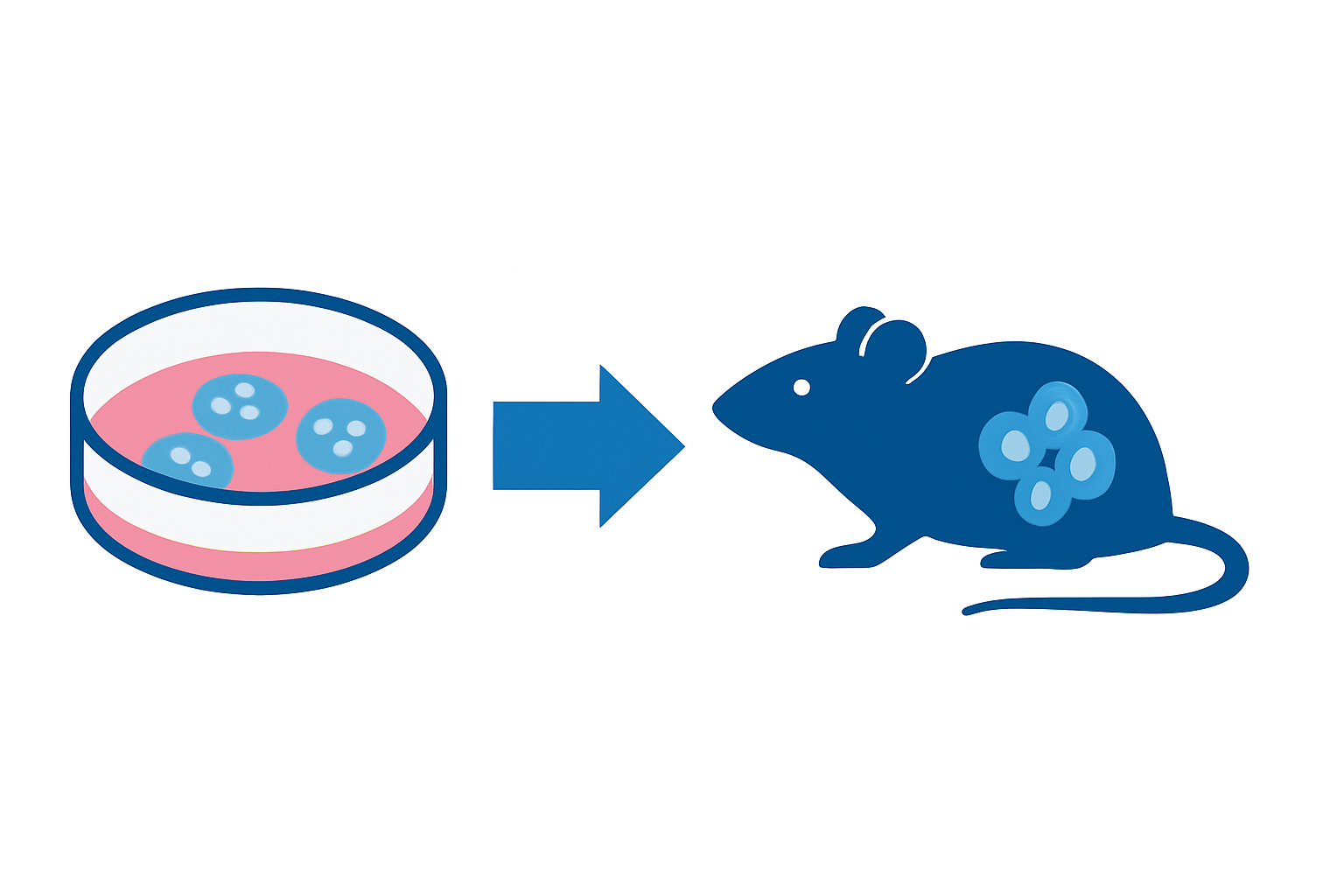


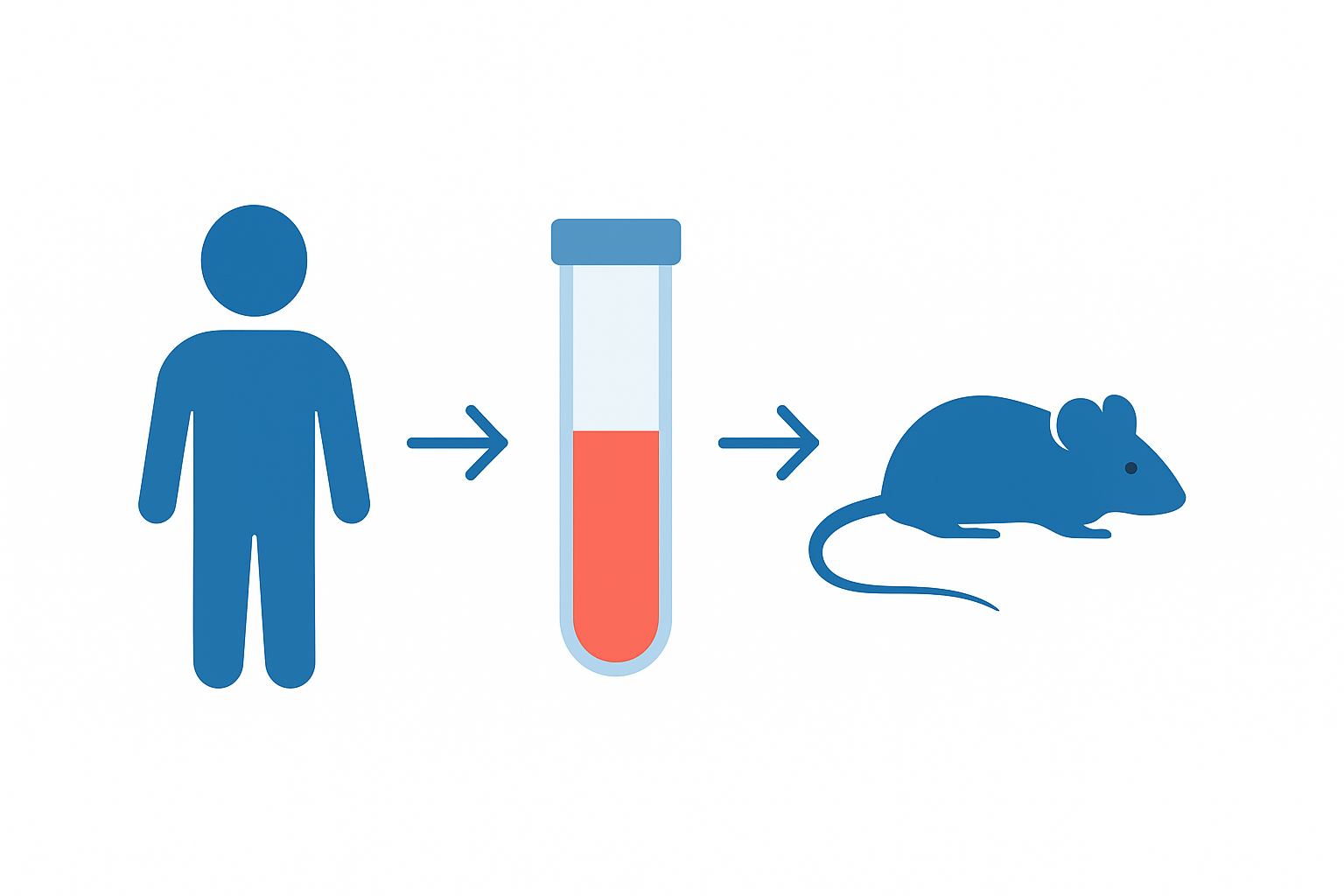
- Solid Tumor CDX Models
Well-established human cell–line xenografts spanning major solid tumor types, optimized for reproducible tumor take rates, consistent growth kinetics, and streamlined study initiation to support robust efficacy and pharmacology assessments.
- Patient-Derived Xenografts (PDX)
A growing library of more than 200 clinically annotated PDX models that preserve patient-specific tumor biology, enabling translational studies and biomarker-driven strategies.
- Syngeneic Mouse Models
Murine tumor models compatible with fully immunocompetent hosts, supporting evaluation of checkpoint inhibitors, T cell–engaging therapeutics, innate immunity modulators, and combination regimens.
- Humanized HSC and PBMC Models
Immune-reconstituted NSG-based platforms allowing assessment of human immune responses, T-cell–dependent therapies, IO agents, and CAR-T efficacy in vivo.
CDX models provide a highly reproducible and cost-effective platform for early-stage efficacy screening using well-characterized human tumor cell lines.
- Bladder Cancer
- Brain Cancer
- Breast Cancer
- Cervical Cancer
- Cholangiocarcinoma
- Colorectal Cancer
- Duodenal Cancer
- Endometrial Cancer
- Esophageal Cancer
- Gastric Cancer
- Head and Neck Cancer
- Leukemia
- Liver Cancer
- Lung Cancer (NSCLC)
- Lymphoma
- Melanoma
- Multiple Myeloma
- Nasopharyngeal Cancer
- Neuroblastoma
- Ovarian Cancer
- Pancreatic Cancer
- Prostate Cancer
- Renal Cancer
- Sarcoma
- Skin Cancer
- Testicular Embryonal Cancer
- Thyroid Cancer
- Uterine Cancer
PDX models utilize direct patient-derived tissue to maintain the genetic heterogeneity and clinical architecture of human tumors for superior predictive accuracy.
Syngeneic models feature an intact murine immune system, making them the essential platform for evaluating modern immuno-oncology therapies and checkpoint inhibitors.
Humanized models reconstitute a human immune system within immunodeficient mice to allow for the preclinical study of human-specific immune-oncology mechanisms.