DV-90 Xenograft Model Overview
The DV-90 xenograft model is established from a human small cell lung carcinoma (SCLC) and serves as a valuable platform for studying high-grade neuroendocrine tumors of pulmonary origin. SCLC is characterized by rapid proliferation, early metastasis, and initial sensitivity to chemotherapy, followed by the development of therapeutic resistance. The DV-90 cell line was derived from pleural effusion fluid of a patient with advanced-stage SCLC, and it retains the neuroendocrine phenotype characteristic of this malignancy. This xenograft model is especially suited for evaluating cytotoxic regimens, epigenetic therapies, and novel immunotherapeutic approaches in a clinically relevant setting.
Request a Custom Quote for DV‑90 Xenograft ModelBiological and Molecular Characteristics
DV-90 cells display typical features of small cell carcinoma, including compact morphology, scant cytoplasm, and high nuclear-to-cytoplasmic ratio. Molecular profiling confirms expression of neuroendocrine markers such as synaptophysin, chromogranin A, and neuron-specific enolase (NSE). The cell line harbors inactivating mutations in both TP53 and RB1, which are defining genetic hallmarks of SCLC. DV-90 also expresses high levels of MYC family oncogenes and exhibits low expression of MHC class I molecules, contributing to immune evasion. These molecular traits collectively reproduce the aggressive behavior and treatment-refractory phenotype observed in advanced SCLC.
| Characteristic | DV-90 Cell Line Profile |
|---|---|
| Tumor Type | Small cell lung carcinoma |
| TP53 Status | Mutated (loss-of-function) |
| RB1 Status | Mutated |
| Neuroendocrine Markers | Synaptophysin⁺, Chromogranin A⁺, NSE⁺ |
| MYC Expression | Elevated |
| Immune Evasion Markers | MHC Class I⁻ |
In Vivo Model Development and Tumorigenicity
The DV-90 xenograft model is typically established by subcutaneous implantation of tumor cells into immunodeficient mice, such as NOD/SCID or athymic nude strains. Tumors are highly tumorigenic and grow rapidly, with palpable masses often forming within 7–10 days post-injection. Tumor volumes reach experimental endpoints in as little as 3–4 weeks, allowing for time-efficient evaluation of drug response and resistance mechanisms. The model reliably recapitulates the high mitotic rate and cellular density typical of clinical SCLC, and is well-suited for high-throughput therapeutic screening studies and pharmacodynamic biomarker analysis.
Request a Custom Quote for DV‑90 Xenograft ModelHistopathology and Immunohistochemical Profile
Histological analysis of DV-90 xenograft tumors reveals sheets of small round blue cells with finely granular chromatin, minimal cytoplasm, and frequent mitoses. Necrotic regions are commonly observed, reflecting the rapid tumor growth and metabolic demands of the neoplastic tissue. Immunohistochemical staining demonstrates strong and diffuse positivity for neuroendocrine markers, including synaptophysin and chromogranin A. Ki-67 proliferation indices are typically above 80%, consistent with the hyperproliferative nature of SCLC. These features confirm the utility of DV-90 tumors as representative preclinical models for evaluating high-grade neuroendocrine lung cancers.
Preclinical Applications and Drug Response
The DV-90 xenograft model is widely used for evaluating chemotherapy regimens such as cisplatin and etoposide, which remain the cornerstone of first-line SCLC therapy. Due to its MYC-driven biology and RB1-deficient status, the model is also suitable for assessing targeted agents that inhibit cell cycle regulators (e.g., aurora kinase inhibitors), DNA damage repair pathways, and epigenetic modulators. Additionally, DV-90 supports investigations into immunotherapy resistance and re-sensitization strategies, particularly in light of its low MHC class I expression. The model’s aggressive growth characteristics and genetic profile make it highly relevant for translational oncology studies aimed at overcoming treatment failure in SCLC.
Request This Model
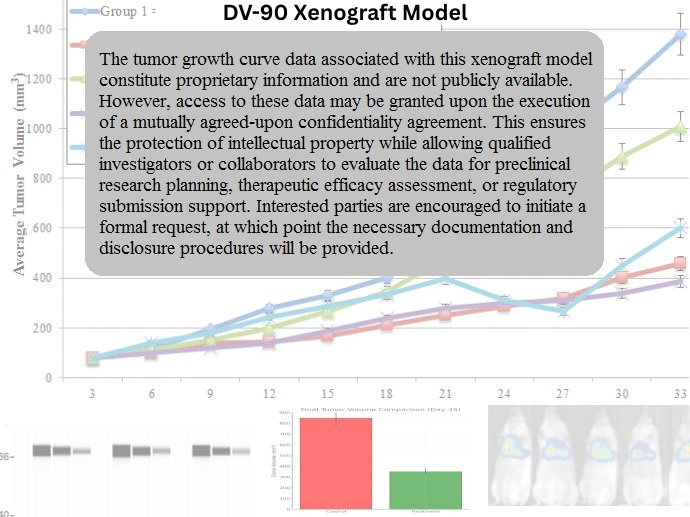
To integrate the DV-90 xenograft model into your preclinical research for small cell lung cancer, contact us for access to comprehensive tumor growth data, immunophenotyping reports, and customized study design assistance.
Request a Custom Quote for DV‑90 Xenograft Model