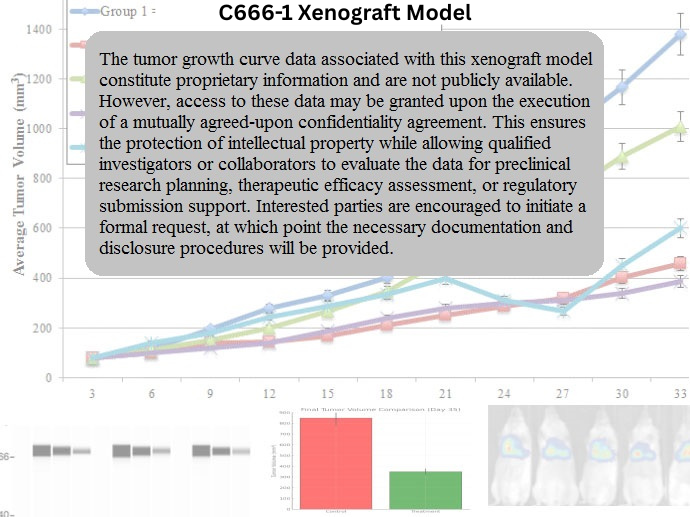
C666-1 Xenograft Model Overview
The C666-1 xenograft model is derived from a human nasopharyngeal carcinoma (NPC) cell line, established from a patient with a metastatic form of NPC. Nasopharyngeal carcinoma is an epithelial cancer commonly associated with the Epstein-Barr virus (EBV) and is characterized by its aggressive nature and tendency to metastasize to distant organs. The C666-1 xenograft model is a valuable preclinical tool for studying the molecular mechanisms underlying NPC pathogenesis, exploring EBV-related oncogenesis, and evaluating potential therapeutic agents. This model is used to study the tumor microenvironment, immune evasion, and the effects of novel therapies, including targeted therapies and immunotherapies.
Request a Custom Quote for C666-1 Xenograft ModelBiological and Molecular Characteristics
C666-1 cells are EBV-positive, making them a representative model for studying the role of EBV in nasopharyngeal carcinoma. The cells exhibit characteristic NPC markers such as cytokeratin and epithelial membrane antigen (EMA), indicative of epithelial origin. C666-1 cells also demonstrate a high level of secretion of various cytokines and chemokines that contribute to tumor progression and immune evasion. Additionally, the cells express the latency-associated nuclear antigen (LNA), a hallmark of EBV infection, which plays a crucial role in the tumorigenesis of NPC. C666-1 cells harbor mutations in the p53 tumor suppressor gene, contributing to their resistance to apoptosis and allowing for uncontrolled cell proliferation. The model is particularly valuable for evaluating therapies that target EBV-associated malignancies and for testing immunotherapies such as immune checkpoint inhibitors.
| Marker | Expression Level | Function |
|---|---|---|
| Cytokeratin | High | Epithelial cell marker |
| EMA | High | Epithelial membrane antigen |
| EBV LNA | High | Latency-associated nuclear antigen in EBV |
| p53 | Mutated | Tumor suppressor gene involved in apoptosis |
In Vivo Model Development and Tumorigenicity
The C666-1 xenograft model is typically established by injecting C666-1 cells into immunocompromised mice, such as NOD/SCID or NSG mice, which lack functional T and B cells. Upon implantation, the C666-1 cells form tumors that mimic the characteristics of human nasopharyngeal carcinoma, including the ability to infiltrate surrounding tissues and metastasize to distant organs, particularly the lymph nodes and liver. The model is valuable for studying tumor growth, metastasis, and the effects of various therapeutic agents on NPC. C666-1 xenografts also allow for the evaluation of therapies targeting the EBV latent phase, making it an ideal model for investigating EBV-specific treatments such as small molecule inhibitors and therapeutic vaccines. The orthotopic implantation of C666-1 cells into the nasopharynx of immunocompromised mice further enhances the model’s relevance to clinical settings, as it more closely mimics the natural progression of NPC.
Request a Custom Quote for C666-1 Xenograft ModelHistopathology and Immunohistochemical Profile
Histopathological analysis of C666-1 xenografts reveals tumors with a highly cellular structure, predominantly composed of epithelial cells with distinct nuclear atypia. The tumors are often characterized by infiltrative growth patterns, with tumor cells spreading into adjacent tissues. Immunohistochemical staining of C666-1 xenografts shows strong expression of cytokeratin and EMA, confirming their epithelial origin. EBV infection is confirmed by the presence of latency-associated nuclear antigen (LNA), a protein expressed during the latent phase of EBV infection. Additionally, the model exhibits markers of angiogenesis, such as CD31, indicating the formation of new blood vessels within the tumor. The tumors also show evidence of immune suppression, with low infiltration of T cells, which is characteristic of EBV-associated malignancies and is a key feature of this xenograft model.
Preclinical Applications and Drug Response
The C666-1 xenograft model is widely used to test the efficacy of various therapeutic agents for nasopharyngeal carcinoma, particularly those targeting EBV-associated mechanisms. Given the model’s EBV-positive status, it is particularly useful for evaluating therapies that specifically target the latent phase of EBV infection, such as antiviral drugs, immune-based therapies, and small molecule inhibitors of EBV-related signaling pathways. The model is also employed to assess the effectiveness of conventional chemotherapies, such as cisplatin, as well as novel immunotherapies, including immune checkpoint inhibitors targeting PD-1/PD-L1 and CTLA-4. Additionally, the C666-1 xenograft model is used to study the tumor microenvironment in NPC, particularly the role of immune evasion, making it a valuable tool for developing new immunotherapies for EBV-associated cancers.
Request This Model
To request the C666-1 xenograft model for your preclinical studies, please use the form below. A customized quote and additional model specifications will be provided upon inquiry.
Request a Custom Quote for C666-1 Xenograft Model